INTRODUCTION
Welcome to Solar One
Solar One is a 501(c)(3) not-for-profit organization whose mission is to design and deliver innovative education, training, and technical assistance that fosters sustainability and resiliency in diverse urban environments.
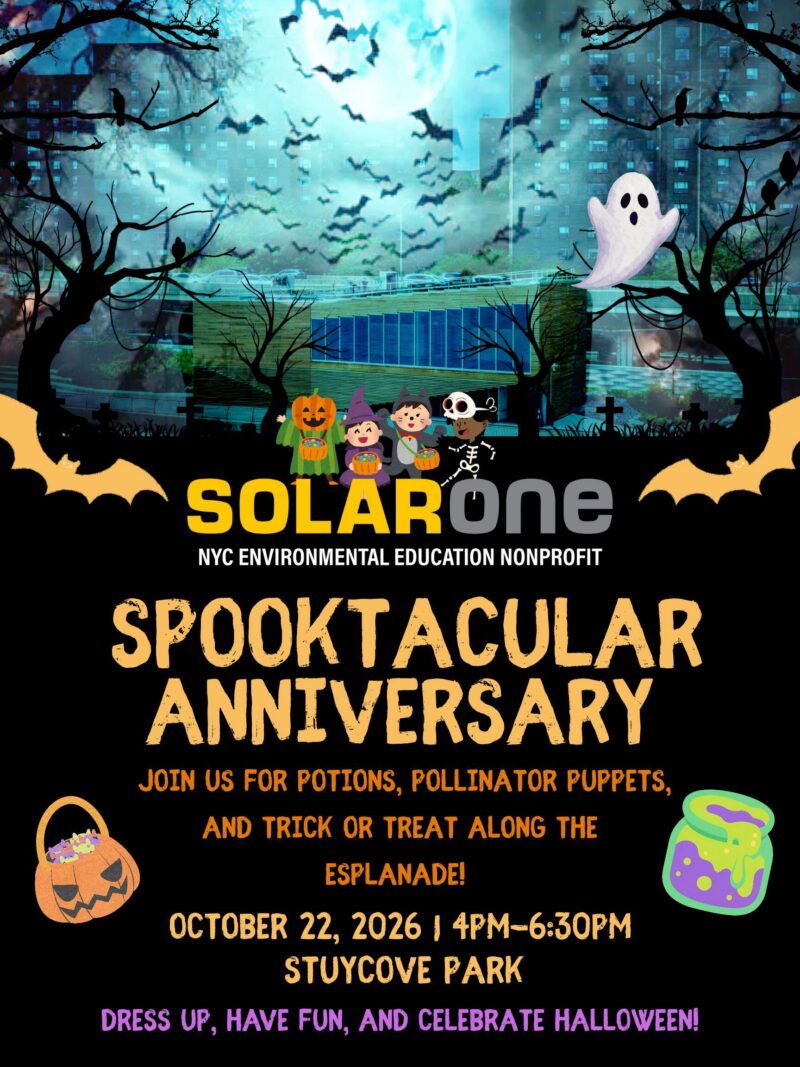
Join Our Spooky Anniversary of the Opening of the S1 Environmental Education Center! October 22nd, Open To All!
Our Focus
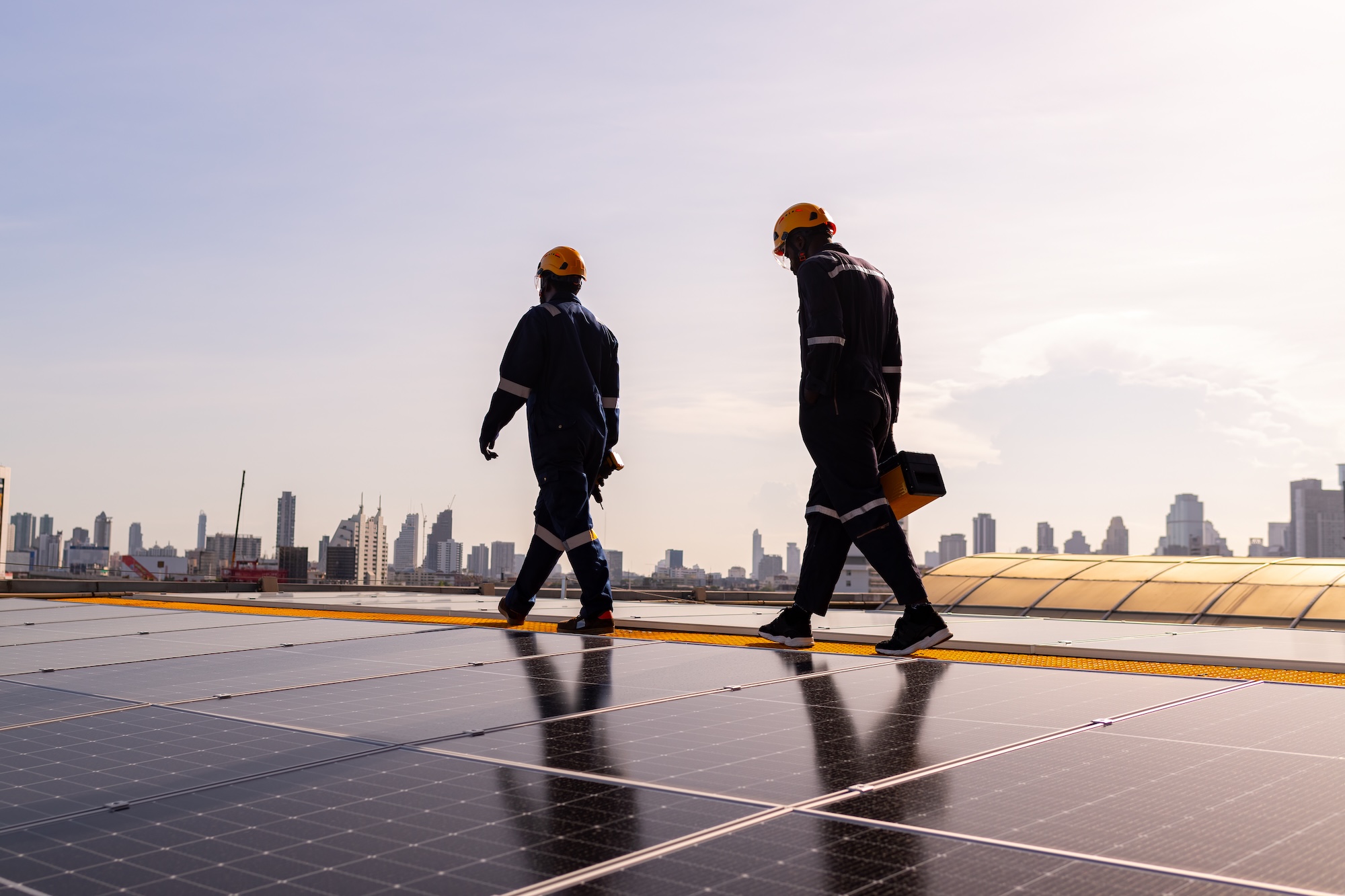
Solar One fosters sustainable practices and environmental equity across New York City through innovative programs in K-12 environmental education, green workforce training, solar installation technical assistance, and eco-park stewardship.
By catalyzing new ways of living and working that respond to a world affected by climate change, Solar One is transforming the way people think about energy, the urban environment, and resilience. Solar One strives to bring those most affected by environmental injustice to the forefront of developing and benefitting from the clean energy economy.
Our Programs
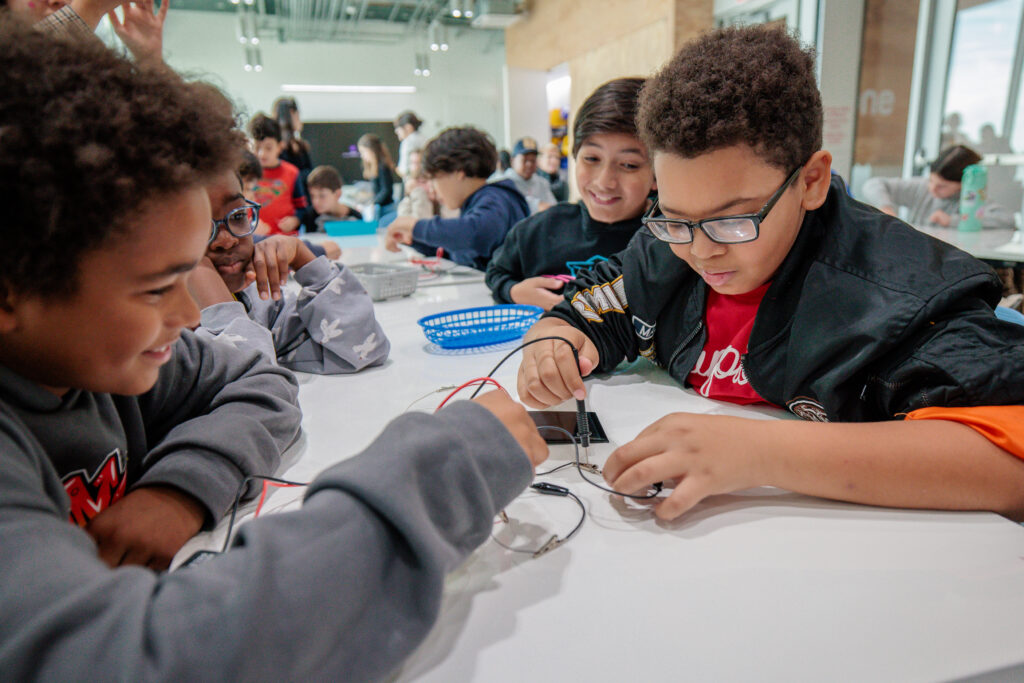
Green Design Lab
Solar One is recognized as a leader in environmental STEM education in NYC. For over 13 years, Solar One’s K-12 education program has reached nearly 40,000 students, in all five boroughs of NYC and Newark, NJ. Learn more about our programs for teachers, students and career-readiness learning tracks.
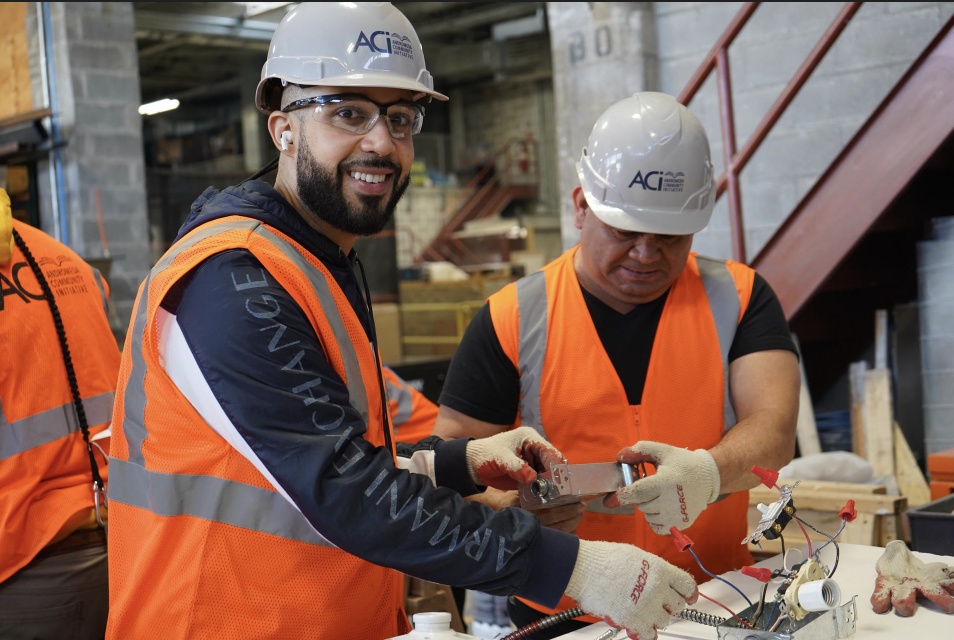
Green Workforce
Solar One provides a skills development curriculum in basic construction, electrical, solar panel installation, and maintenance of high efficiency heating and cooling systems. Learn more about how we are accelerating access to clean energy jobs and the green economy.
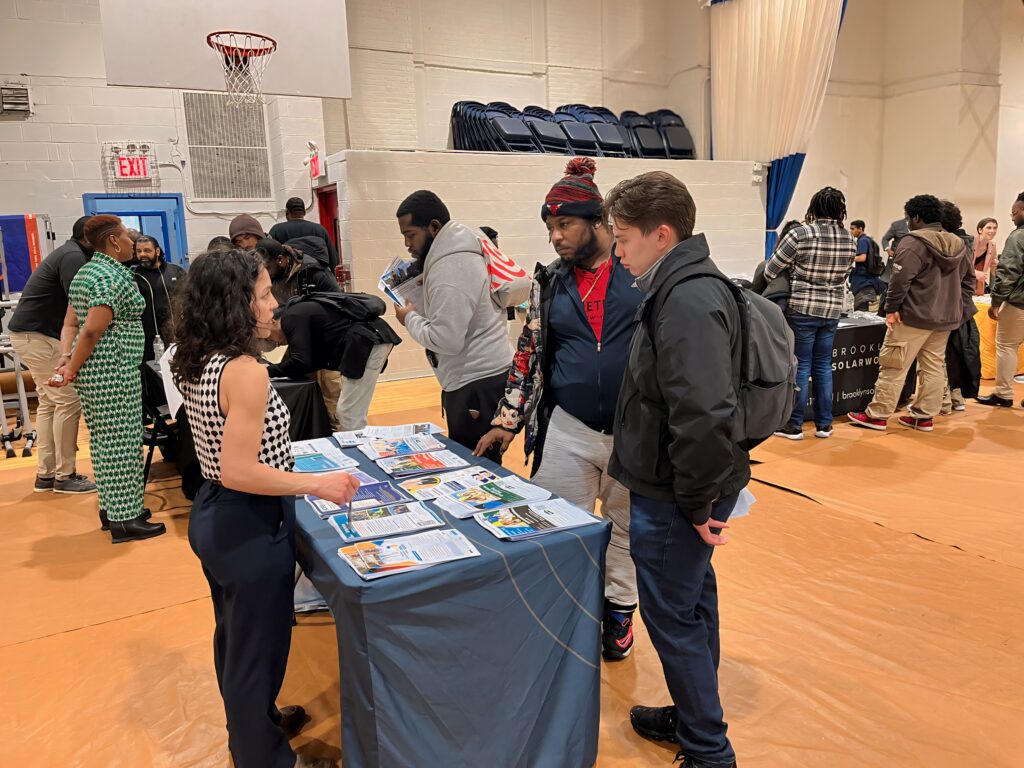
Community Engagement
The Community Engagement Team at Solar One connects graduates of our Green Workforce Training with competitive, sustainable job opportunities, backed by lifelong employment support. Our expert employment specialists forge strong relationships with NYC employers, creating invaluable job opportunities for our students.
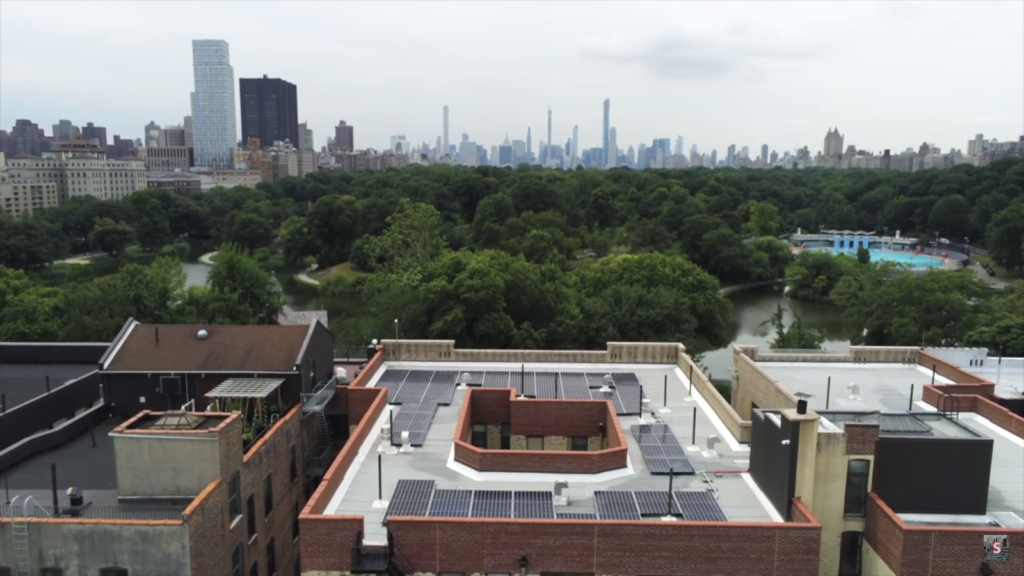
Here Comes Solar
Through solar expertise, a successful technical assistance model, and strong partnerships, Solar One is making the benefits of solar energy systems accessible in NYC’s historically underserved communities. Learn more about the impact of the program and how you can participate.
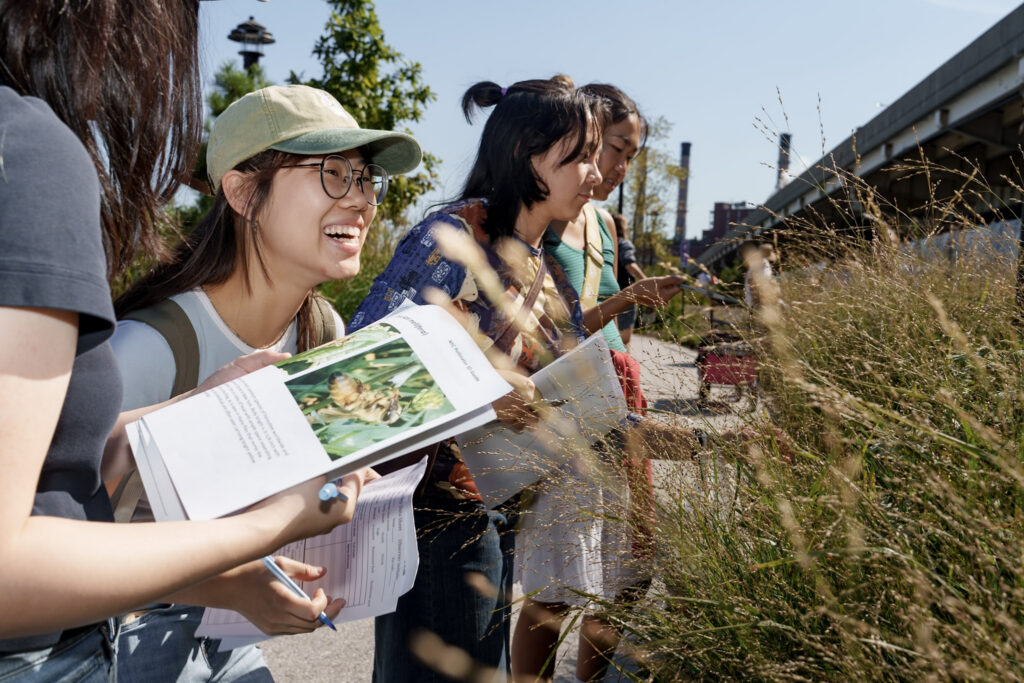
Stuyvesant Cove Park
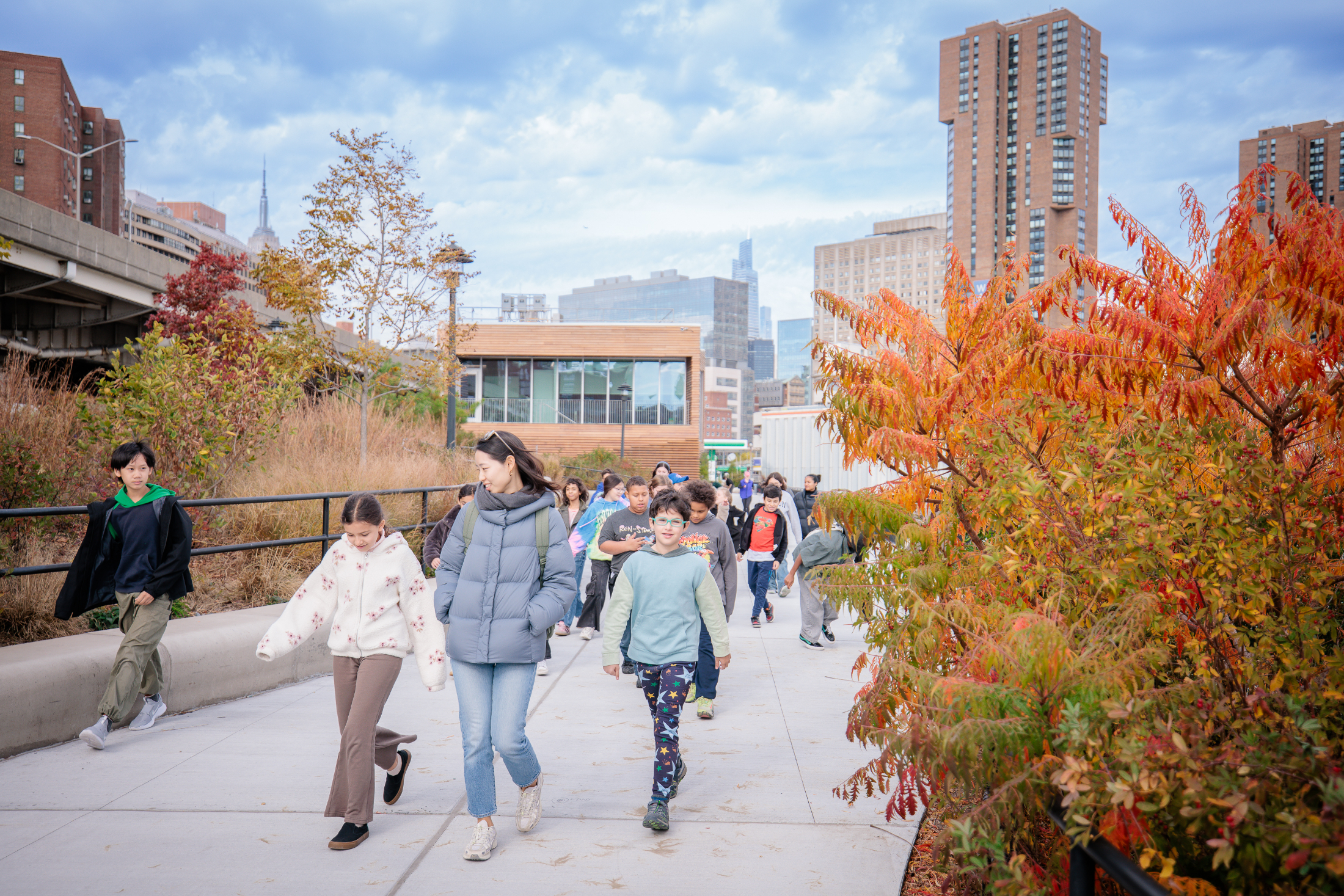
Stuy Cove Park is NYC’s first native plant park and serves the Lower Manhattan community and beyond as a resilient green space. Solar One manages this city-owned property in partnership with the NYC Economic Development Corporation. Learn more about the park’s history, current status, and future plans.
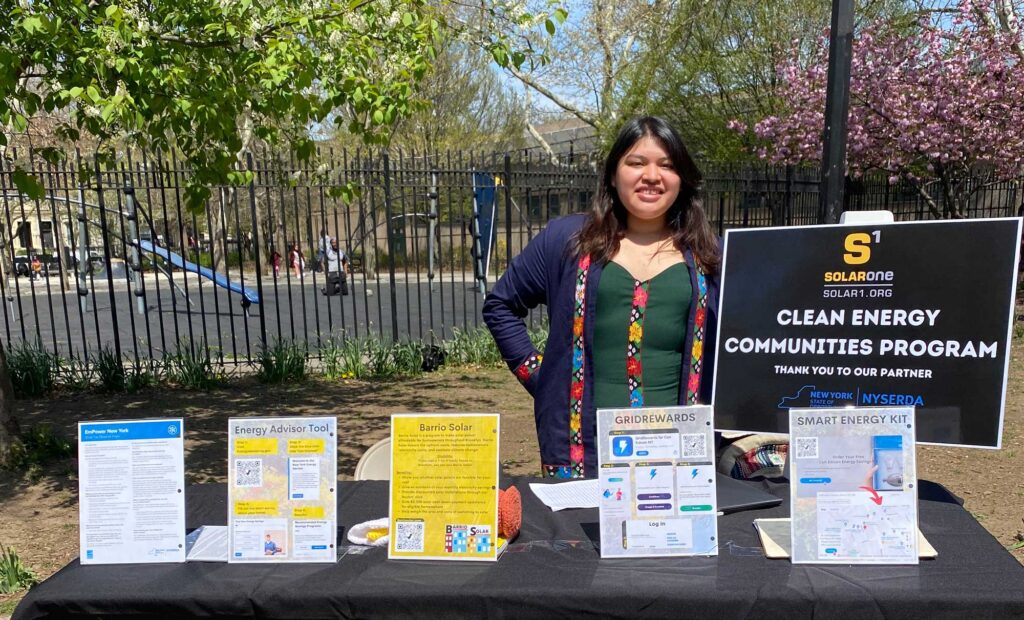
Clean Energy Communities
Solar One provides direct technical support to encourage leadership among NYC residents and building owners in clean energy adoption and reductions of greenhouse gas emissions. Learn more about incentives with Community Solar, Electric Vehicles, Energy Efficiency and Demand Response.

Bronx & Brooklyn Energy Hub
Solar One is one of three local organizations partnering to implement the Bronx and Brooklyn Energy Hub. We offer personalized support to access grants, rebates, incentives, and financing that can help reduce energy use, lower utility costs, and increase comfort.
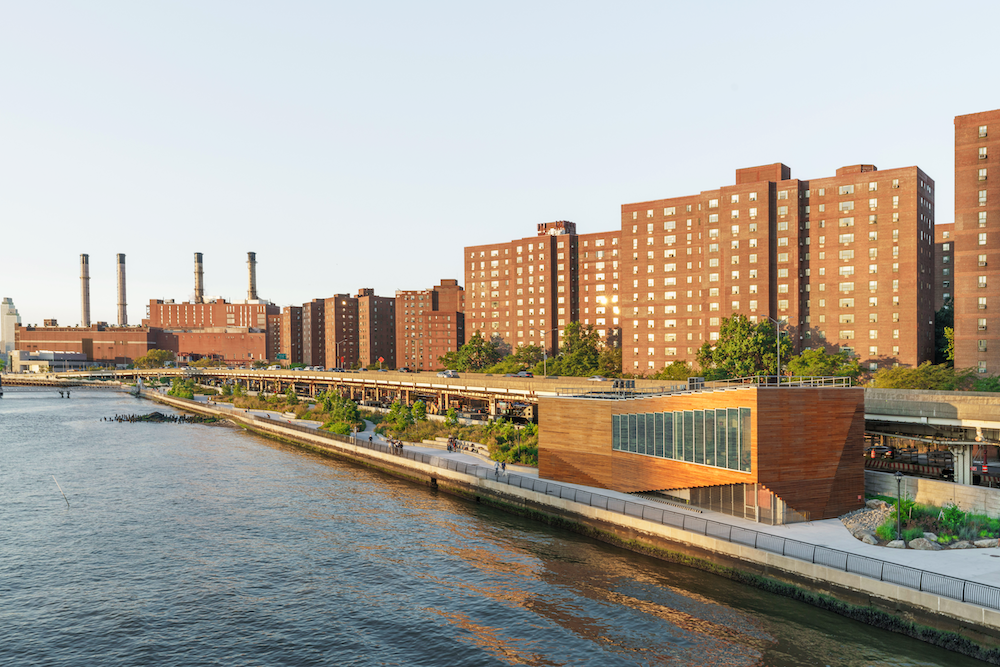
NEW Solar One Environmental Education Center
The Solar One Environmental Education Center is NYC’s new beacon for sustainability and resiliency. The Center is an education destination for thousands of NYC public school children who participate in our Green Design Lab programs each year, and also serves as a waterfront, indoor-outdoor venue.
We’ve just earned our 2026 Platinum Seal with Candid.org. We are excited to share the work our nonprofit does through our Candid profile. Click on the seal to the left to learn more.
Initiatives & Events
Events CalendarCategory Of Post
October 22 @ 4:00 pm
Solar One’s Spooktacular Halloween Event | October 22, 2026
Join the fun with arts & crafts powered by STEM! Trick-or-treat in Stuy Cove Park! Join Solar One for a Halloween celebration and 1-year anniversary of the Solar One Environmental […]
Featured News
See All NewsCategory Of Post
April 13, 2026
Solar One’s Response to Governor Hochul’s CLCPA Roll Back Proposal
NEW YORK – In response to Governor Kathy Hochul’s reported efforts to roll back New York’s landmark Climate Leadership and Community Protection Act (CLCPA). If there’s one thing we can […]
Category Of Post
March 19, 2026
Preparing for Spring Changes & Growth
From our March Newsletter, by Keisha Benjamin, Development Sr. Associate Bronx Design & Construction Academy students during a Solar One Career and Technical Education (CTE) lesson about solar power, panels, […]
Category Of Post
November 13, 2025
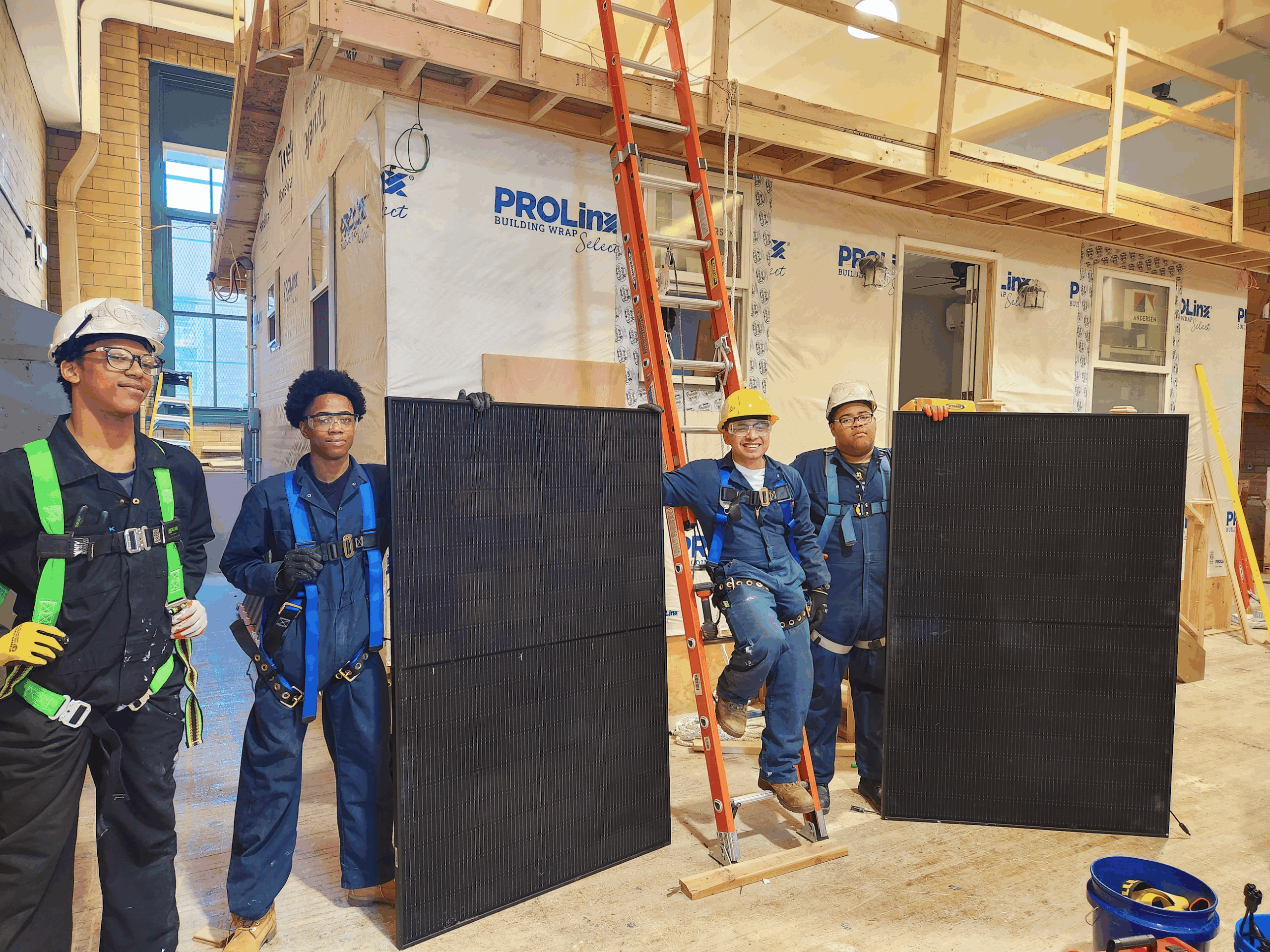
NineDot Energy and Solar One Announce Educational Partnership on Battery Energy Storage
Working together, NineDot and SolarOne will enhance NYC career pathways in the Green Economy Bronx Design & Construction Academy high school students participate in Solar One’s Green Design Lab class […]
Category Of Post
November 7, 2025
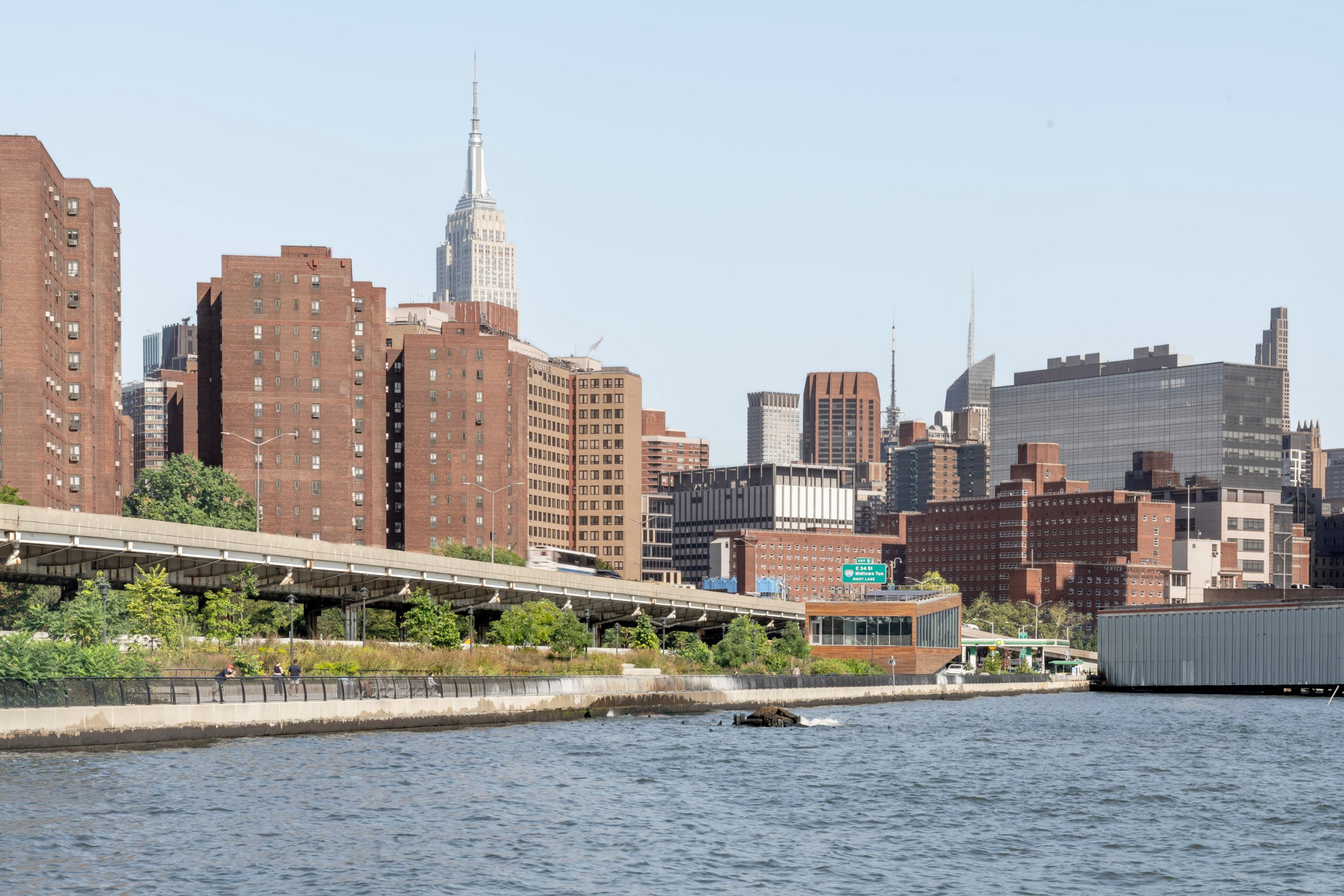
BIG Completes Solar Education Center for Renewed East River Park in New York
From Dezeen’s Article by Ben Dreith | 29 October 2025 Architecture studio BIG has announced a milestone in the ongoing construction of parks along the East River in New York with a timber-clad building with built-in […]
Category Of Post
September 10, 2025
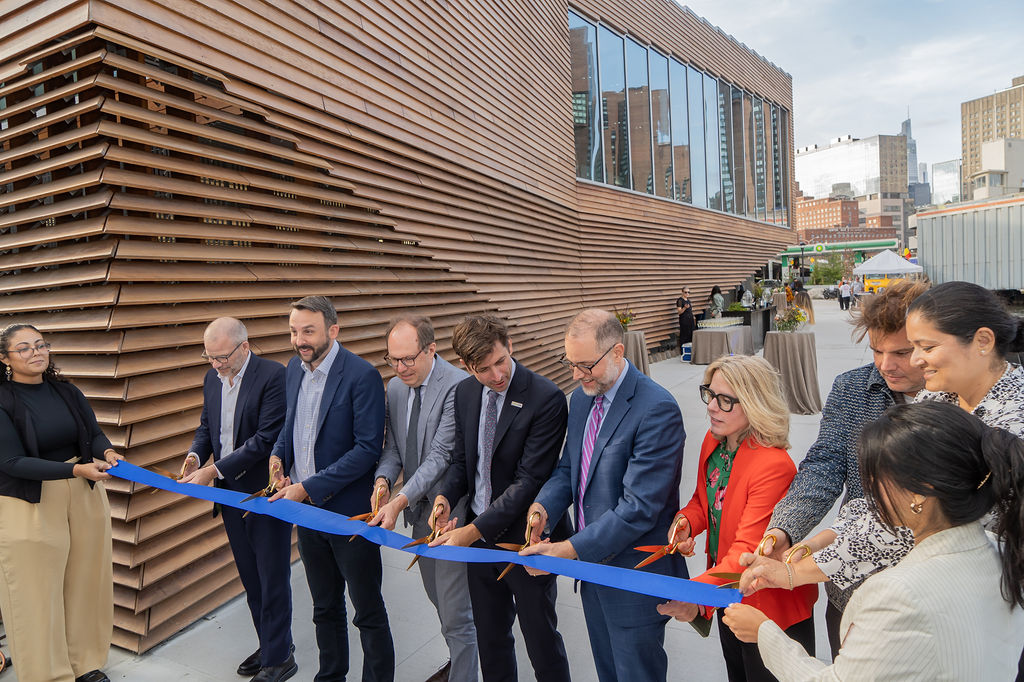
NYCEDC and Solar One Cut Ribbon on State-Of-The-Art Environmental Education Center
The Solar One Environmental Center Consists of Two-Story Learning Hub for Flexible Classrooms, Lectures, Educational Programming, Community Functions, Office Use, and Other Community Opportunities With Community Benefits at the Forefront, […]
Category Of Post
February 5, 2025
Community Solar Is Thriving. It’s Also Endangered.
If there’s one thing that was made crystal clear this week, it’s that the new federal government is going to be hostile to renewable energy, despite all its obvious benefits. […]